The only industrial robot built for the
construction jobsite!
Construction in America is valued at over $2 trillion annually.
Yet productivity is actually declining.
Labor shortages are worsening.
And dangerous work still depends almost entirely on manual labor.
Robots dominate factories.
But construction isn't a controlled environment like a factory.
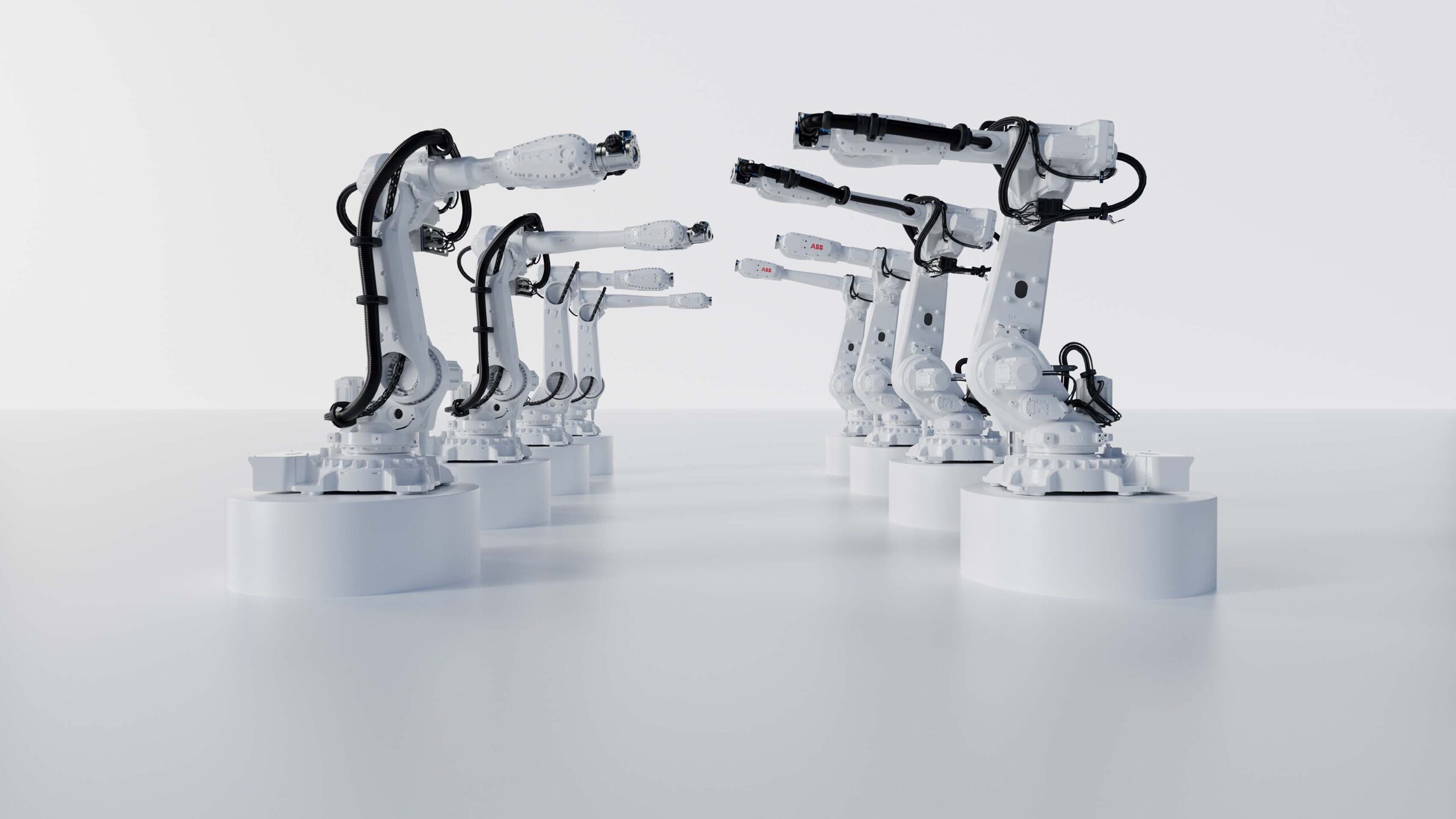
The Hard Problems
Robots fail on jobsites - but they don't have to.
Industrial robots were never designed to be relocated around a workspace.
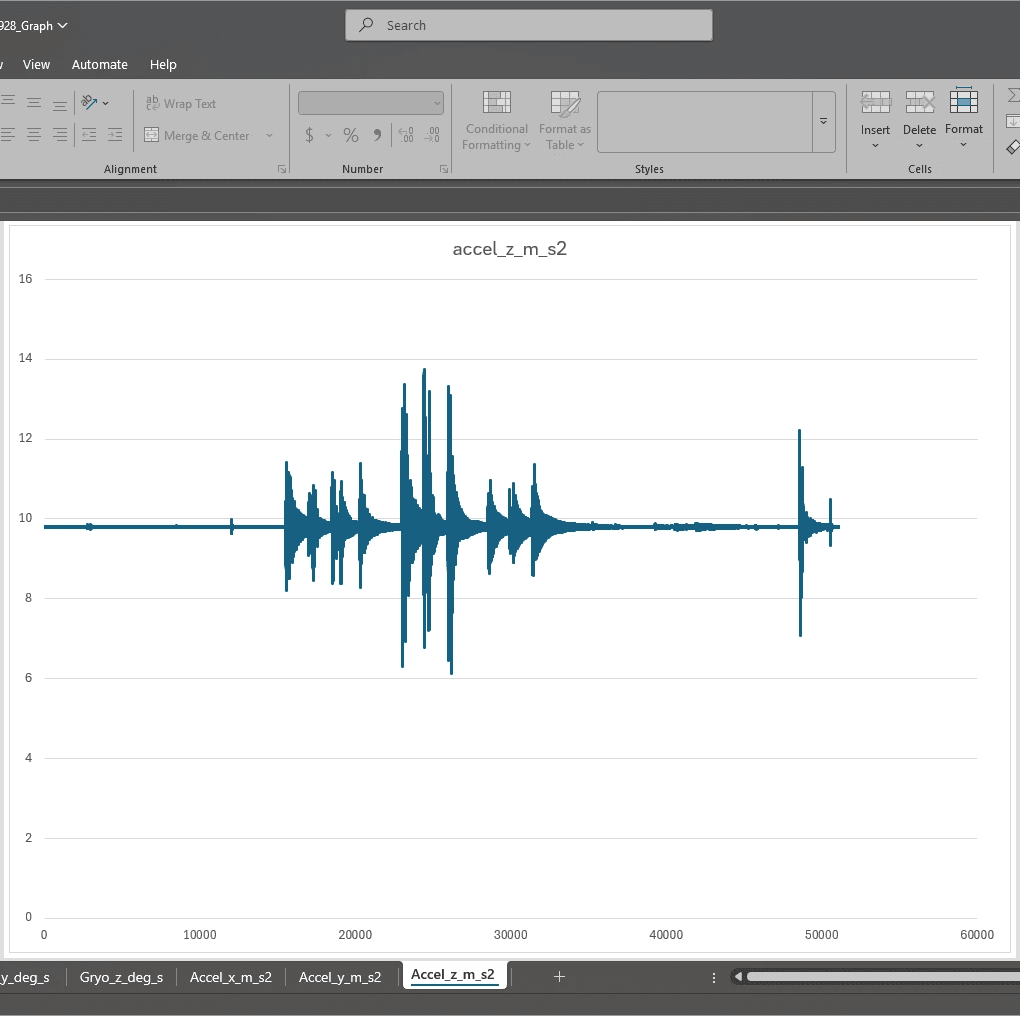
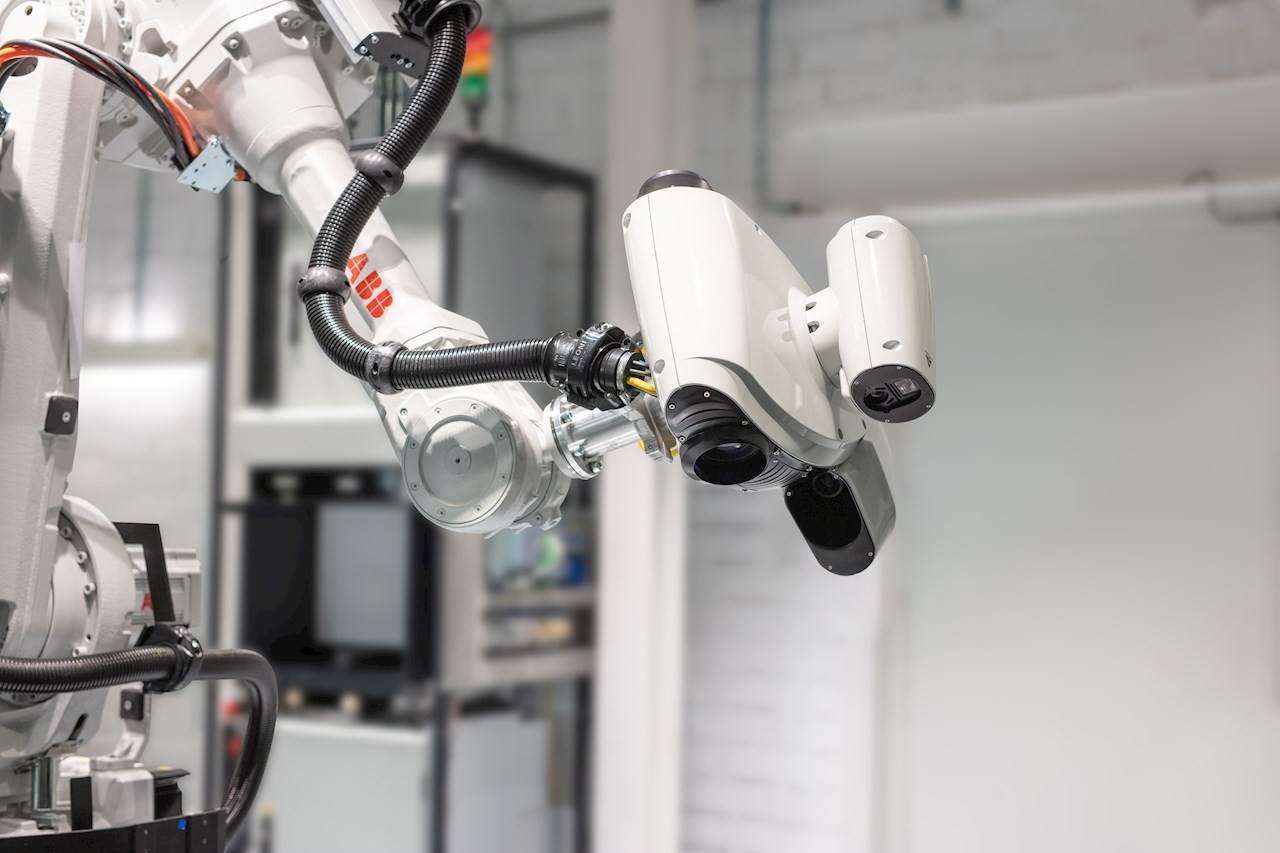
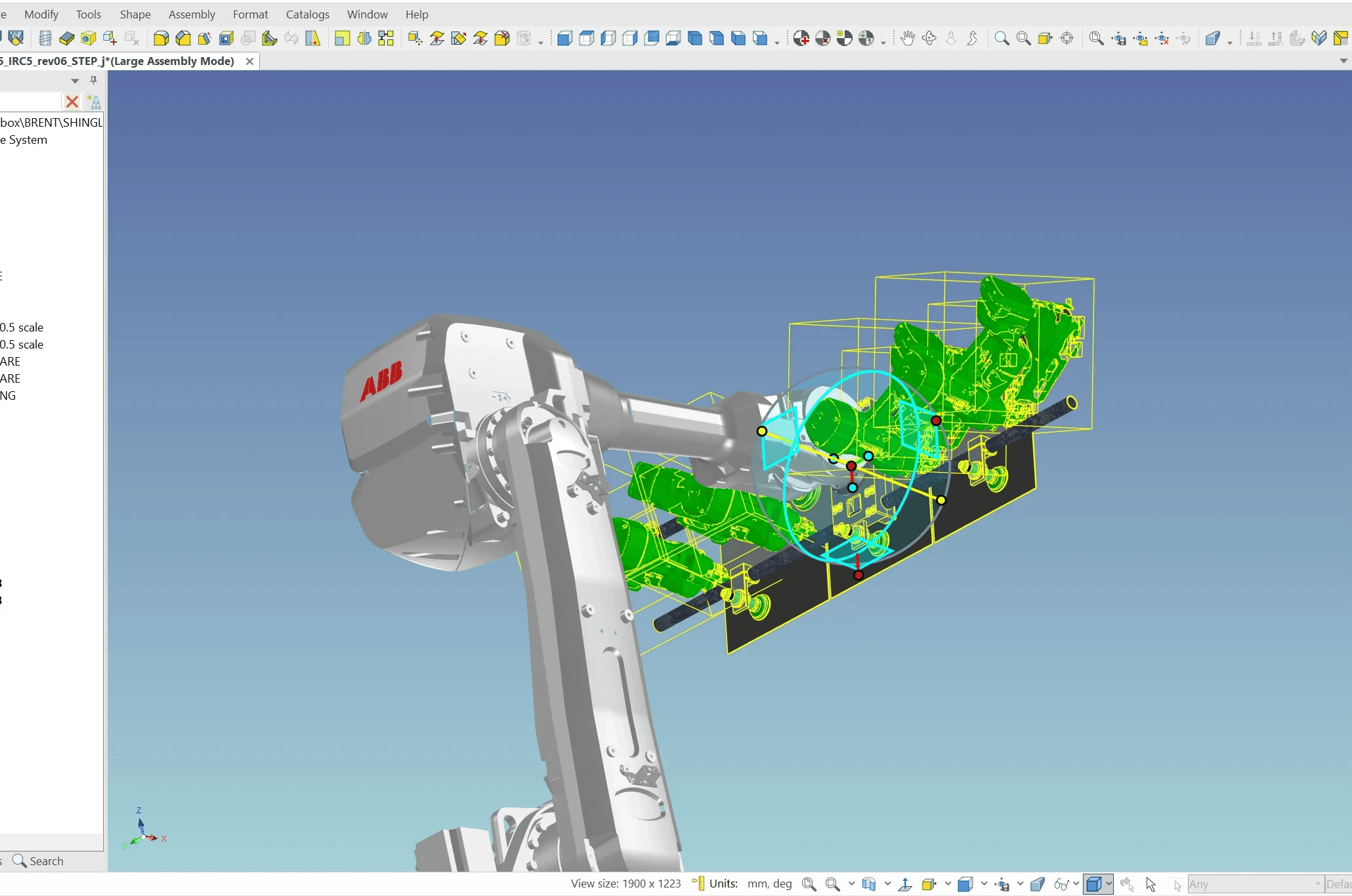
Once a robot is relocated, it stops behaving like an industrial robot. It becomes unstable, loses precision, and struggles to perceive its environment.
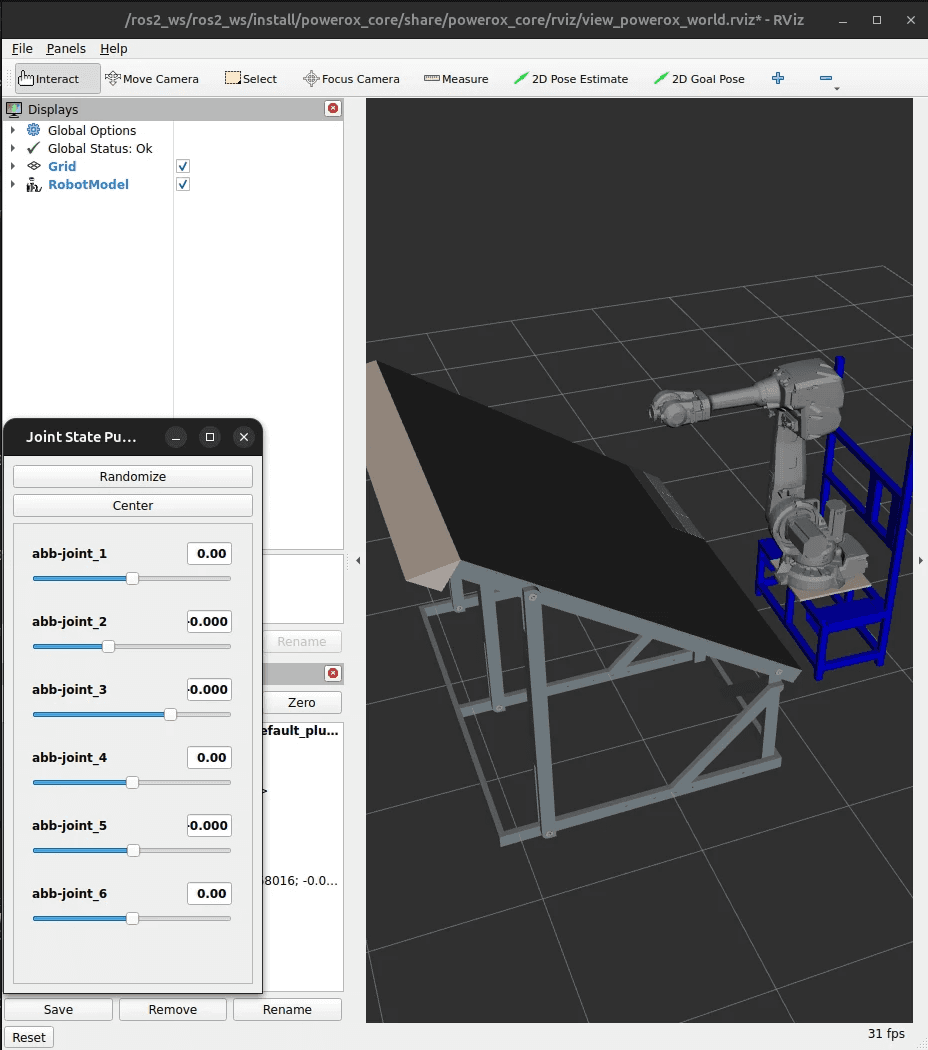
PowerOx solves these problems and enables industrial robots to be productive where the work actually happens.
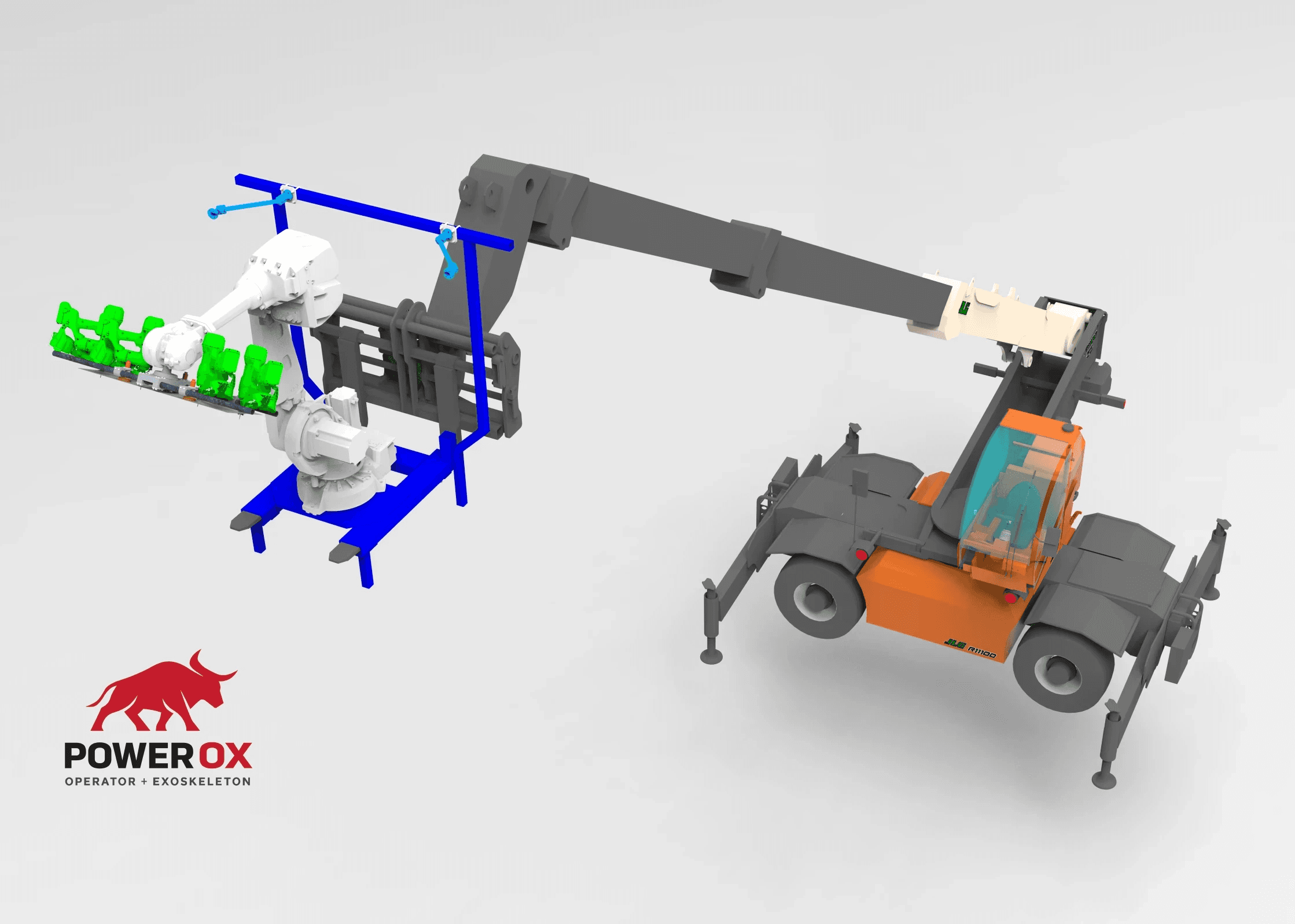
PowerOx is a human effort multipler. See how robots on your jobsite can deliver more.
Roofing Robot
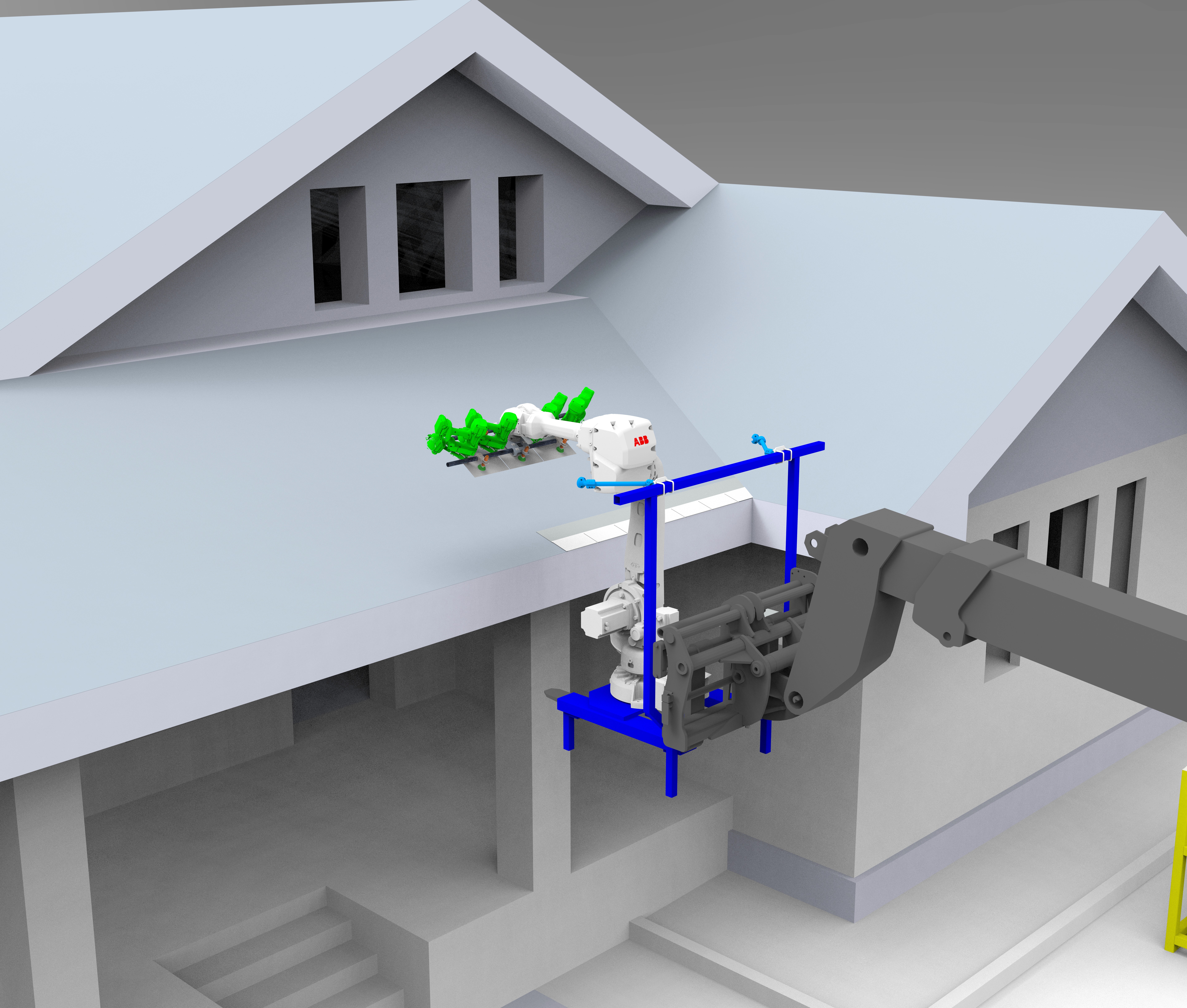
PowerOx - Roofing Robot
A telehandler mounted industrial roofing robot
About us
The PowerOx Team
The PowerOx team brings together decades of experience in industrial automation, robotics, perception systems, and construction.
Our leadership has spent decades designing and deploying complex automation systems across automotive and off-site construction manufacturing—industries where precision, uptime, and reliability are non-negotiable.
Our engineers have played pioneering roles in autonomous systems, advanced perception and sensor fusion, medical robotics, and automation for construction—working at the highest levels to solve the fundamental technical challenges in these fields.
Combined with deep construction industry leadership, this team brings the full stack of expertise required to deploy industrial robotics on the construction jobsite.
PowerOx exists to extend factory-grade robotics beyond the factory and into the field.
FAQs
Why are industrial robots possible on the jobsite now?
Construction is out of labor. Demand keeps rising. Industrial robots were built for factories. The robot is bolted down. The work comes to it. The process barely changes. Construction is the opposite. The machine moves. The surface isn’t perfect. Every job is a little different. When factory robots were tried on jobsites, they failed. They were built for the wrong conditions. For years, building something purpose-built for construction wasn’t worth the effort. That changed. Labor pressure is now severe enough to force it. At the same time, advances from AI and autonomous vehicles make precision possible on moving equipment. Now it makes sense.
How are robots in construction different than in manufacturing?
In manufacturing, the product is designed first. Then you design a factory to make millions of the same thing. The environment is fixed and optimized around repetition. In construction, the product changes every time. Every site is different. Every roof is different. The principles that made factory automation successful cannot simply be copied into the field. They have to be rewritten.
Why develop PowerOx instead of humanoid robots?
Humanoid robots are impressive. They represent serious engineering progress. But construction does not need robots that look like people. It needs industrialization. By the time a humanoid robot can autonomously perceive a jobsite, climb ladders, carry shingles, and operate tools reliably, it is still fundamentally limited by human scale. Even if it works perfectly, it is replicating human motion. PowerOx takes a different approach. Instead of copying a worker, it multiplies them. The analogy is agriculture. No matter how advanced a humanoid becomes, a team of humanoids will never harvest corn as efficiently as a combine. Farming became productive when it industrialized. Construction is at that same moment. This is not just about robotics. It is about industrialization.
What does human-in-the-loop control mean?
Productivity is the goal. In over two decades of deploying robotic systems, we’ve followed one principle that has always served us well: automate responsibly. Robots do the jobs robots do best. Humans do the jobs humans do best. Don’t mix those up. For PowerOx, that means robots handle force, repetition, and precision. Humans handle judgment and variability. In practical terms, the operator reads the jobsite, positions the system at the point of work, and commands the task. Once engaged, the robot executes autonomously at industrial scale.
Is PowerOx a roofing robot?
We started with roofing because it is brutally labor intensive. A roofer can spend most of the day on their knees handling heavy materials, and roofing carries one of the highest fatality rates in construction. But solving roofing forced us to build something bigger. PowerOx is built to work with different carrier types such as telehandlers, lift trucks, and knuckle booms. The tooling can be changed. Weld steel. Install curtain wall. Spray coatings. Set panels. Handle materials. Those are massive markets. Roofing is the proving ground. The flexible architecture means new applications can be addressed without rebuilding the system from scratch.
What is the status of PowerOx development?
PowerOx is in Phase One prototype development. We have developed solutions to the core technical challenges and are actively building and testing our bench prototype. The current focus is validating system performance before moving into a mobile field configuration.
Contact
Get in touch
For any inquiries we invite you to contact our founder using the details provided below.